

Polyurea Spray Tech
2026 yılı için planlanan casino siteleri yenilikleri bahisçileri heyecanlandırıyor.
Bahis dünyasında kullanıcıların %52’si yatırım işlemlerini mobil bahsegel yeni giriş uygulamalardan yapmaktadır; bu işlemleri optimize etmiştir.
Bahis tutkunlarının bettilt tercihi olan hizmet kalitesiyle öne çıkıyor.
Glass work
9 January، 2023
Polyurethane Foam Spray , Thermal Insulation
11 November، 2024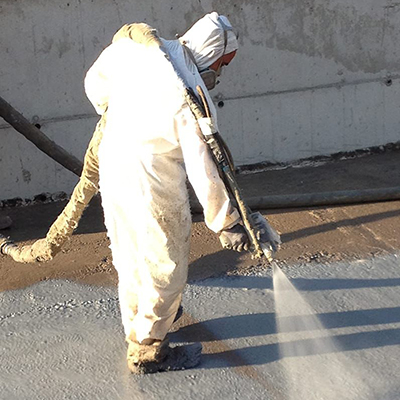
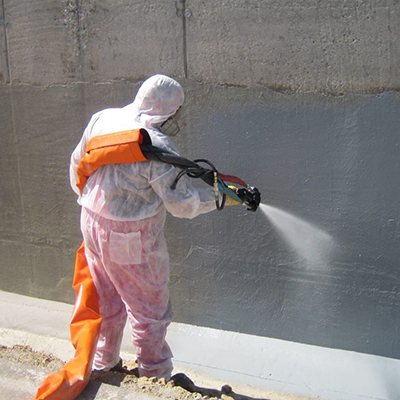
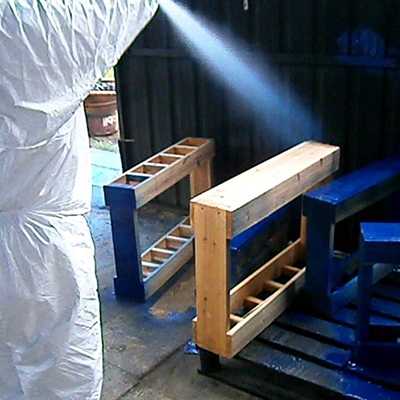
What IS POLYUREA ?
Polyurea is a type of elastomer derived from the reaction of an isocyanate component with a
synthetic resin blend component through step-growth polymerization. This chemical process creates
an extremely durable and flexible compound that sets it apart from other protective or sealing
materials . In simpler terms, polyurea is a flexible, inert, and highly durable substance that combines
two chemical compounds into a single, environmentally friendly end product
• Definition: Polyurea is typically defined as an inert elastomeric substance created by
combining an isocyanate compound with a synthetic resinous compound.
The Chemistry Behind Polyurea Waterproofing
The backbone of polyurea waterproofing lies in chemistry. Polyurea is a product of step-growth
polymerization, a reaction between an isocyanate component (aromatic polyurea or aliphatic
polyurea) and a synthetic resin blend component through an amine-terminated polymer or an amineterminated chain extender. This reaction generates an elastomer with remarkable elasticity and
durability. Furthermore, polyurea features fast reactivity and curing times, often setting within
seconds to minutes of application, which makes it highly favorable in rapid project turnovers.
Types of Polyurea
There are primarily two types of Polyurea: pure polyurea and hybrid polyurea.
1. Pure Polyurea: Pure Polyurea is a result of the reaction between isocyanate and amine-terminated polyether resins. This type of Polyurea boasts superior physical properties, including high durability, flexibility, and chemical resistance. It is often utilized in tough exterior conditions, such as protection against corrosion in marine environments, due to its exceptional resistance to weathering.
2. Hybrid Polyurea: Hybrid Polyurea, as the name suggests, is a hybrid blend of polyurethane and polyurea. Its formulation includes polyol resins, which give it a slightly different set of properties compared to pure polyurea. While it doesn’t quite match the durability and flexibility of pure Polyurea, hybrid Polyurea is still a robust choice for applications like floor coatings where superior hardness and lower permeability are desired.
1. Pure Polyurea: Pure Polyurea is a result of the reaction between isocyanate and amine-terminated polyether resins. This type of Polyurea boasts superior physical properties, including high durability, flexibility, and chemical resistance. It is often utilized in tough exterior conditions, such as protection against corrosion in marine environments, due to its exceptional resistance to weathering.
2. Hybrid Polyurea: Hybrid Polyurea, as the name suggests, is a hybrid blend of polyurethane and polyurea. Its formulation includes polyol resins, which give it a slightly different set of properties compared to pure polyurea. While it doesn’t quite match the durability and flexibility of pure Polyurea, hybrid Polyurea is still a robust choice for applications like floor coatings where superior hardness and lower permeability are desired.
Benefits Of Using Polyurea For Waterproofing
The effectiveness of polyurea as a waterproofing solution is highlighted by the multitude of benefits
it offers. This includes rapid cure time, exceptional durability and adaptability. The attributes of
polyurea mean it can be used for different types of waterproof systems. Below, we will delve into
each of these benefits in greater detail, highlighting the distinctive features which set polyurea apart
in the realm of waterproofing
1 .Rapid Cure Time Polyurea waterproofing sets itself apart with its extraordinary curing speed. Unlike traditional waterproofing systems which might take hours or even days to cure. Polyurea coatings harden within seconds to minutes of application. This swift reaction time is due to the rapid polymerization process between the isocyanate and the resin. The advantage of this rapid cure time is twofold. First, it significantly reduces the downtime during the application process, enabling faster project completions. Second, it allows the waterproofed area to be back in service quickly, minimizing disruption, which is particularly beneficial in industrial and commercial settings where downtime can be costly. This has made polyurea very popular in both commercial and residential applications. Applications where polyurea is used include; for commercial roofing and as a garage floor coating .
2 .Exceptional Durability The durability of polyurea coatings is one of their standout features. These coatings create a dense, seamless membrane which demonstrates high tensile strength and tear resistance. This enables it to withstand significant wear and tear. This durability is further enhanced by the coating's excellent abrasion and impact resistance. The result is a waterproofing solution which effectively guards against the ingress of water. This protects the substrate from potential water damage, corrosion, and the destructive forces of freeze-thaw cycles. This robustness extends the service life of the structures it protects, offering a long-term waterproofing solution .
3 .Superior Resistance Polyurea displays exceptional resistance to a wide range of harsh conditions. This makes it an excellent choice for demanding applications. Its superior temperature resistance allows it to function effectively in both extreme heat and cold, maintaining its integrity from -40°F to over 350°F. Moreover, polyurea exhibits remarkable resistance to ultraviolet radiation, helping to prevent the degradation often associated with prolonged UV exposure. Additionally, it has excellent resistance to a variety of chemicals, including solvents, oils, and salts. This makes it particularly suitable for use in industrial environments where such exposure may be inevitable .
4 .High Flexibility Polyurea's high elongation capacity is a testament to its flexibility. It can stretch and contract with the substrate, accommodating movements due to temperature changes or other dynamic forces. This elasticity can reach up to 600% elongation. This enables polyurea to maintain its waterproofing capabilities even when applied to surfaces with frequent movement or vibration. This includes surfaces such as bridges, vehicles, and machinery. This flexibility combined with a seamless finish makes polyurea an excellent choice for waterproofing irregular shapes and complex geometries
5 .Excellent Adhesion Polyurea demonstrates excellent adhesion properties, forming a strong bond with a variety of substrates.This includes metal, wood and concrete coating. The excellent adhesion of polyurea coatings ensures a seamless and continuous waterproof barrier. This eliminates the possibility of leaks at the joints or seams, a common issue with traditional waterproofing systems. Moreover, this superior adhesion contributes to the overall durability and longevity of surfaces which are waterproofed with polyurea coatings
6 .Minimal Maintenance Needs Despite its superior performance, polyurea coatings requires minimal maintenance. Its robust physical properties and resistance to environmental factors minimize the need for repairs or replacements. Regular inspections and routine cleaning are normally sufficient to maintain the performance of the polyurea coating. The low-maintenance requirements reduces long-term costs, further enhancing the cost-effectiveness of polyurea coatings .
1 .Rapid Cure Time Polyurea waterproofing sets itself apart with its extraordinary curing speed. Unlike traditional waterproofing systems which might take hours or even days to cure. Polyurea coatings harden within seconds to minutes of application. This swift reaction time is due to the rapid polymerization process between the isocyanate and the resin. The advantage of this rapid cure time is twofold. First, it significantly reduces the downtime during the application process, enabling faster project completions. Second, it allows the waterproofed area to be back in service quickly, minimizing disruption, which is particularly beneficial in industrial and commercial settings where downtime can be costly. This has made polyurea very popular in both commercial and residential applications. Applications where polyurea is used include; for commercial roofing and as a garage floor coating .
2 .Exceptional Durability The durability of polyurea coatings is one of their standout features. These coatings create a dense, seamless membrane which demonstrates high tensile strength and tear resistance. This enables it to withstand significant wear and tear. This durability is further enhanced by the coating's excellent abrasion and impact resistance. The result is a waterproofing solution which effectively guards against the ingress of water. This protects the substrate from potential water damage, corrosion, and the destructive forces of freeze-thaw cycles. This robustness extends the service life of the structures it protects, offering a long-term waterproofing solution .
3 .Superior Resistance Polyurea displays exceptional resistance to a wide range of harsh conditions. This makes it an excellent choice for demanding applications. Its superior temperature resistance allows it to function effectively in both extreme heat and cold, maintaining its integrity from -40°F to over 350°F. Moreover, polyurea exhibits remarkable resistance to ultraviolet radiation, helping to prevent the degradation often associated with prolonged UV exposure. Additionally, it has excellent resistance to a variety of chemicals, including solvents, oils, and salts. This makes it particularly suitable for use in industrial environments where such exposure may be inevitable .
4 .High Flexibility Polyurea's high elongation capacity is a testament to its flexibility. It can stretch and contract with the substrate, accommodating movements due to temperature changes or other dynamic forces. This elasticity can reach up to 600% elongation. This enables polyurea to maintain its waterproofing capabilities even when applied to surfaces with frequent movement or vibration. This includes surfaces such as bridges, vehicles, and machinery. This flexibility combined with a seamless finish makes polyurea an excellent choice for waterproofing irregular shapes and complex geometries
5 .Excellent Adhesion Polyurea demonstrates excellent adhesion properties, forming a strong bond with a variety of substrates.This includes metal, wood and concrete coating. The excellent adhesion of polyurea coatings ensures a seamless and continuous waterproof barrier. This eliminates the possibility of leaks at the joints or seams, a common issue with traditional waterproofing systems. Moreover, this superior adhesion contributes to the overall durability and longevity of surfaces which are waterproofed with polyurea coatings
6 .Minimal Maintenance Needs Despite its superior performance, polyurea coatings requires minimal maintenance. Its robust physical properties and resistance to environmental factors minimize the need for repairs or replacements. Regular inspections and routine cleaning are normally sufficient to maintain the performance of the polyurea coating. The low-maintenance requirements reduces long-term costs, further enhancing the cost-effectiveness of polyurea coatings .
The Properties Of Polyurea
Below we will dissect the physical and chemical attributes, durability, and resistance factors of
polyurea. This will highlight why it's a such a popular choice to waterproofing applications .
Physical And Chemical Properties Of Polyurea
Polyurea boasts several desirable physical and chemical properties. Its high tensile strength (typically around 3000 psi) and elongation capabilities (up to 600%) contribute to its superior flexibility. Its density, approximately 1.1 g/cm³, aids in maintaining structural integrity. Chemically, polyurea demonstrates strong resistance to water, UV radiation and various chemicals (including salt solutions, oils, and various solvents). This helps ensure minimal degradation over time .Durability And Longevity Of Polyurea Waterproofing
Polyurea's robust durability contributes to its extended longevity. It can withstand prolonged exposure to tough conditions without sacrificing its protective quality. In fact, when properly applied and maintained, polyurea waterproofing systems have been reported to last upwards of 25 to 30 years .Weather, Chemical And UV Resistance
Polyurea shows unparalleled resistance to a myriad of conditions. It remains stable across a wide range of temperatures. This is from as low -40°F to as high as over 350°F. Pure polyurea coatings also retain elasticity in cold climates. Its excellent UV resistance allows it to maintain its color and physical properties, even when enduring prolonged exposure to sunlightPolyurea application fields
Certainly! Polyurea finds applications in various fields due to its exceptional properties. Here are some key areas where polyurea coatings are commonly used:
1. Roofs: Seamless waterproofing for bituminous, metal sheeting, and tile roofs, including green roof structures.
2. Concrete Floors: Enhances surface strength and prevents wear and tear.
3. Concrete Structures: Waterproofing for walls, yard decks, parking lots, and more.
4. Bridges: Provides seamless waterproofing beneath asphalt.
5. Steel Structures: Protects steel components.
6. Industrial Tanks and Secondary Containments: Ensures containment integrity.
7. Splash Zone & Offshore Applications: Shields steel in harsh environments.
8. Other Areas: Used in healthcare, automotive, marine, defense, irrigation, and material handling
1. Roofs: Seamless waterproofing for bituminous, metal sheeting, and tile roofs, including green roof structures.
2. Concrete Floors: Enhances surface strength and prevents wear and tear.
3. Concrete Structures: Waterproofing for walls, yard decks, parking lots, and more.
4. Bridges: Provides seamless waterproofing beneath asphalt.
5. Steel Structures: Protects steel components.
6. Industrial Tanks and Secondary Containments: Ensures containment integrity.
7. Splash Zone & Offshore Applications: Shields steel in harsh environments.
8. Other Areas: Used in healthcare, automotive, marine, defense, irrigation, and material handling
Comparison between polyurea spray and epoxy resins
Certainly! Let’s compare polyurea and epoxy coatings to help you decide which one suits your needs:
1. Curing Time: o Epoxy: Generally takes longer to cure (up to 24 hours or more). o Polyurea: Rapid curing time—sets and cures within minutes, even in unfavorable conditions. 2.Flexibility: o Epoxy: More rigid when cured, which can lead to cracking under extreme temperature fluctuations. o Polyu rea: Highly flexible, reducing the risk of cracking. 3.Resistance: o Epoxy: Resistant to chemicals but may yellow or fade with UV exposure. o Polyurea: Superior resistance to chemicals, abrasion, and UV rays—ideal for outdoor applications. 4.Application: o Epoxy: Requires meticulous surface preparation and multiple coats. o Polyurea: Less sensitive to moisture during application, preferred by professionals. 5.Lifespan & Maintenance: o Epoxy: Can last for years with proper care but may need maintenance under heavy traffic or harsh conditions. o Polyurea: Longer lifespan, low maintenance due to durability. In summary, polyurea offers rapid curing, flexibility, and excellent resistance, while epoxy is cost-effective but less flexible.Polyurea Aliphatic vs. Aromatic Polyurea
Polyurea is available in two varieties: aliphatic and aromatic .
Aliphatic polyurea
is best suited for top-coat applications as it offers superior UV resistance and color stability. It costs more than the aromatic variety (nearly twice as much) but requires less material to achieve the desired film thickness during application .Aromatic polyurea
is primarily used as a base coat due to its lack of UV stability. It will gradually break down, discolor, and chalk if exposed to the sun’s UV rays; therefore, it must be top coated to ensure performance.How Long Do Polyurea Coatings Last?
Most polyurea roofing systems are warranted to last anywhere from 10 to 15 years. However, they can easily last up to 25 years or more with proper installation and routine maintenance .
Moreover, a polyurea roofing system’s elastomeric top coat (typically silicone or acrylic) can be recoated numerous times throughout its lifespan to help increase longevity and ensure performance.
How is Polyurea Installed?
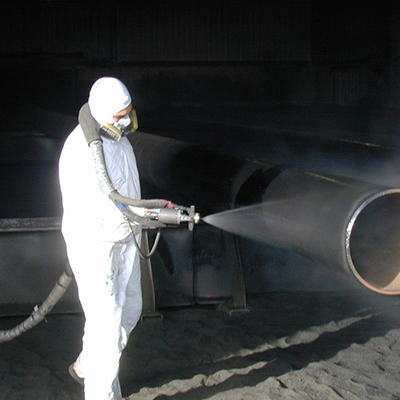
Polyurea is spray-applied on surfaces using highly-specialized, plural-component spray equipment.
The isocyanate and resin components that makeup polyurea are shipped to job sites in 420-kg drums. The materials are transferred into separate tanks within a spray rig apparatus and heated to an appropriate temperature. The unit then pressurizes and pumps each component through heated hoses to a spray gun at a specific ratio (usually 1:1).
Surface preparation for polyurea