


Polyurethane Foam Spray , Thermal Insulation
11 November، 2024Guide complet du casino en ligne – Tout ce que vous devez savoir
29 March، 2025
What is Epoxy?
Epoxy, also known as polyepoxide, is a type of polymer that consists of two main components: a resin and a hardener. When these components are mixed, they undergo a chemical reaction called curing or polymerization, resulting in a strong, durable, and resistant material
Key Properties of Epoxy
• Strong Adhesion: Bonds well with metals, wood, glass, and many plastics.
• Chemical Resistance: Highly resistant to many chemicals, solvents, and acids.
• Heat Resistance: Can withstand high temperatures without degrading.
• Electrical Insulation: Excellent electrical insulator, useful in electronic applications.
• Low Shrinkage: Minimal shrinkage during curing, ensuring dimensional stability.
• Versatility: Can be formulated to be flexible or rigid, transparent or opaque.
• Water Resistance: Many formulations offer excellent water resistance1.
Types of Epoxy
1. Two-Part Epoxy Adhesives: Commonly used for general-purpose bonding, structural adhesives in construction, and automotive and aerospace assembly.
2. One-Part Epoxy Adhesives: Typically require heat to initiate curing, used in electronics manufacturing and automotive assembly lines.
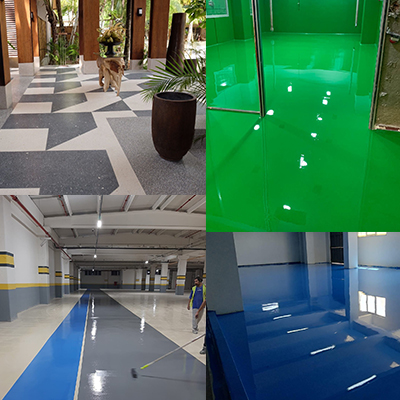
3. Epoxy Coating Systems: Provide durable, protective layers for surfaces like floors, boats, and concrete.
4. Epoxy Resins for Composites: Used to create strong, lightweight materials for aerospace components, sporting goods, and wind turbine blades.
5. Casting and Encapsulation Epoxies: Used for creating molds and encapsulating electronic components2.
One-Part Epoxy Adhesives: Typically require heat to initiate curing, used in electronics manufacturing and automotive assembly lines.
3.
Epoxy Coating Systems: Provide durable, protective layers for surfaces like floors, boats, and concrete.
4.
Epoxy Resins for Composites: Used to create strong, lightweight materials for aerospace components, sporting goods, and wind turbine blades.
5.
Casting and Encapsulation Epoxies: Used for creating molds and encapsulating electronic components
Applications of Epoxy
Epoxy is an incredibly versatile material used across various industries due to its strong adhesive properties, durability, and resistance to chemicals and heat. Here are some key application fields for epoxy:
1. Construction and Infrastructure • Adhesives: Used for bonding concrete, metals, and other construction materials. • Coatings: Provides protective coatings for floors, walls, and other surfaces, offering resistance to wear and chemicals. • Sealants: Used to seal cracks and joints in buildings and infrastructure1. 2. Automotive and Aerospace • Structural Components: Used in the manufacturing of lightweight, strong components for vehicles and aircraft. • Repairs: Ideal for repairing damaged parts due to its strong bonding capabilities2. 3. Electronics and Electrical Systems • Encapsulation: Protects electronic components from moisture, dust, and mechanical damage. • Insulation: Acts as an electrical insulator in various electronic applications2. 4. Marine and Offshore • Boat Building: Used in the construction and repair of boats due to its water resistance and durability. • Coatings: Provides protective coatings for marine structures to prevent corrosion2. 5. Art and Crafts • Jewelry Making: Used to create resin jewelry and decorative items. • Art Projects: Popular in creating resin art, including paintings and sculptures2. 6. Flooring • Industrial Floors: Provides durable, easy-to-clean surfaces for factories and warehouses. • Residential Floors: Used in homes for its aesthetic appeal and durability2. 7. Medical Devices • Prosthetics: Used in the manufacturing of prosthetic limbs due to its strength and lightweight properties. • Medical Equipment: Provides durable coatings and adhesives for various medical devices2. 8. DIY and Home Improvement • Repairs: Ideal for household repairs, including fixing broken items and sealing leaks. • Craft Projects: Widely used in DIY projects for its versatility and ease of use2. Epoxy’s adaptability makes it suitable for a wide range of applications, from industrial uses to creative projects. If you have any specificHow to Use Epoxy
1. reparation: Roughen surfaces with sandpaper, remove dust, grease, and dirt.
2. Mixing: Combine resin and hardener in the correct ratio (usually 1:1).
3. Application: Spread the mixture evenly on the bonding area.
4. Curing: Allow the epoxy to set and cure as per the manufacturer’s instructions2.
Epoxy is highly versatile and can be tailored for specific needs, making it an invaluable material in many fields. If you have any specific
THE ENVIRONMENTAL IMPACT OF EPOXY
Production and Manufacturing
• Petroleum-Based: Epoxy resins are derived from petroleum, a non-renewable resource. The extraction and processing of petroleum contribute to environmental degradation and greenhouse gas emissions1. • Chemical Emissions: The production process involves chemicals like Bisphenol-A (BPA) and epichlorohydrin (ECH), which can release harmful fumes and pollutants2. These chemicals can contaminate water sources and contribute to air pollution2. Ecological Effects • Chemical Leaching: Epoxy resins can leach chemicals into the soil and water, disrupting ecosystems and contaminating natural resources2. • Wildlife Impact: The chemicals in epoxy can be harmful to wildlife, particularly marine life, if they enter water bodies2.Human Health Concerns
• Toxic Fumes: During application and curing, epoxy resins can emit volatile organic compounds (VOCs) that are harmful if inhaled2. Proper ventilation and protective gear are essential to mitigate these risks. • Skin Allergies: Direct contact with uncured epoxy can cause skin irritation and allergic reactions2.Sustainable Alternatives and Mitigation
• Bio-Based Epoxy: Researchers are developing bio-based epoxy resins from renewable resources, which could reduce reliance on petroleum and lower environmental impact1. • Low-VOC Formulations: Some epoxy products are formulated to have low VOC emissions, making them more environmentally friendly1. • Proper Disposal: Ensuring proper disposal and recycling of epoxy materials can help prevent environmental contamination2. While epoxy resins offer many benefits, it’s crucial to be aware of their environmental footprint and explore more sustainable options where possibleRECENT ADVANCEMENTS IN EPOXY TECHNOLOGY